Key points.
The project starts with your panel’s capacity, not with the charger model.
The Écorecharge rebate is $600, and the charger must cost more than $600 before taxes.
The work is done by an electrician, and proof of installation is part of the file.
Start with the panel, not the station
A charger is not an appliance you plug in: it is a dedicated circuit added to an existing installation. Natural Resources Canada sets out the steps in this order: hire a licensed electrician, choose a charger, determine your home’s electrical capacity, and obtain the required permits.
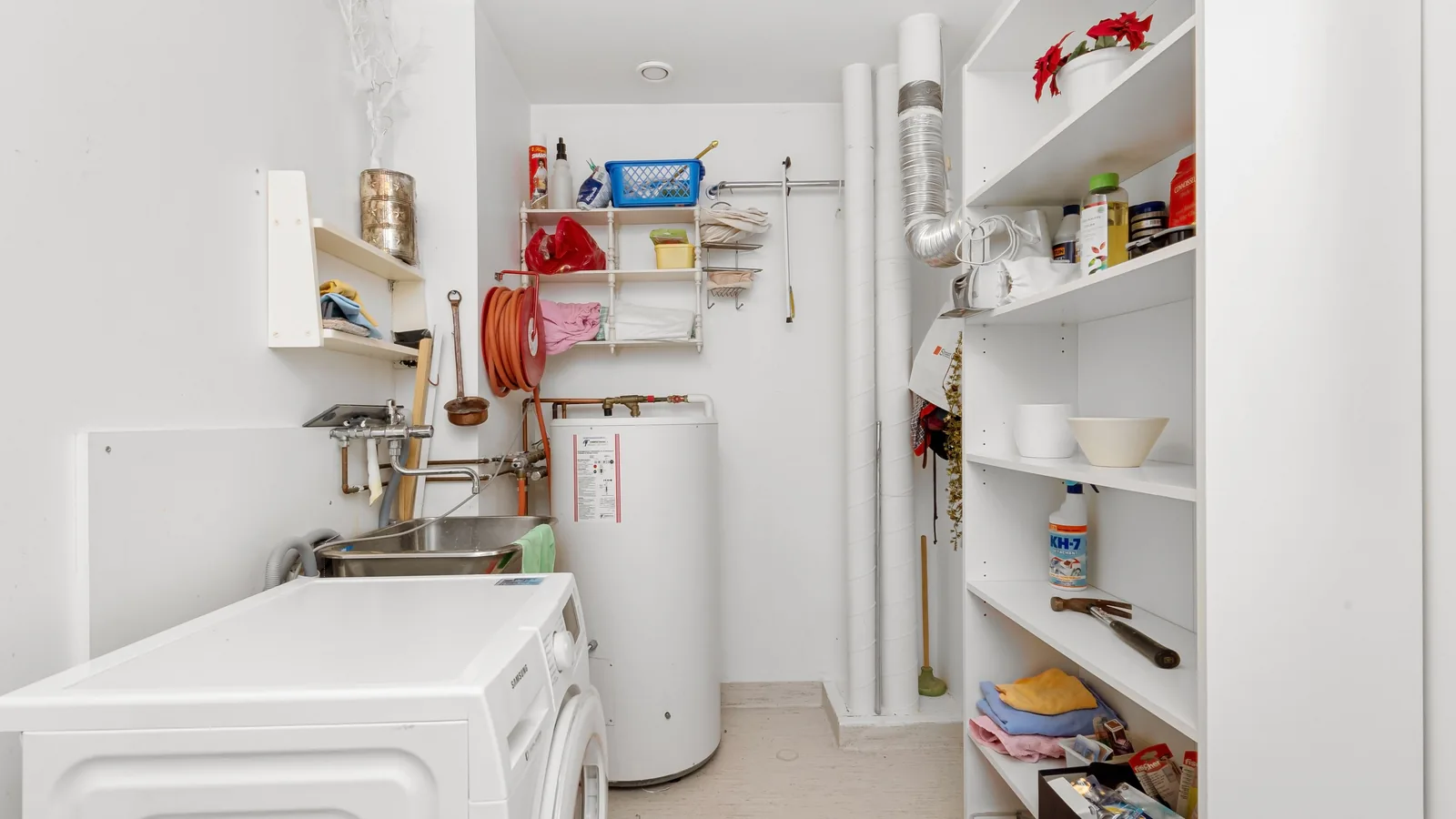
The panel’s capacity decides what is possible, and sometimes the real price of the project. Have what is still available assessed before choosing a model: a charger more powerful than the panel can feed is not a better charger, it is a second job site.
- A licensed electrician
You start with the person who will assess, not with the product.
- Choose the charger
Model, power, and indoor or outdoor use depending on where you park.
- Assess the panel
The home’s available electrical capacity, and what has to be added.
- Permits
Obtain the required permits before the work, not after.
References : CMEQ ↗
Have the work done by an electrician, and verify it
Electrical work goes to a company holding the right licence, and that is verified in the Régie du bâtiment du Québec’s register, not on a business card. The Corporation des maîtres électriciens du Québec explains how to choose an electrical contractor.
Ask who actually performs the work. A charger supplier may subcontract: it is the subcontractor who must hold the licence, and their number must appear on the documents.
References : CMEQ ↗ · Régie du bâtiment du Québec ↗ · Gouvernement du Québec ↗
Check the program’s conditions before buying
Quebec’s home charging assistance pays $600 toward acquiring a charger. Two conditions are worth checking before you buy: the acquisition cost of the charger, purchased or leased, must exceed $600 before taxes, and you must own an electric vehicle at the time you submit the application.
The program also requires proof of installation, and advises working with an electrician. So have the quote specify what will serve as proof: a detailed invoice, an attestation, or both.
The rebate covers the charger. The electrical work stays on your side, and it is often the heavier half.
References : Gouvernement du Québec ↗
Organize the installation and the end of the work
Have the quote separate what belongs to the electrical installation from what belongs to the charger. The two do not compare the same way from one company to the next, and the rebate only covers one of them.
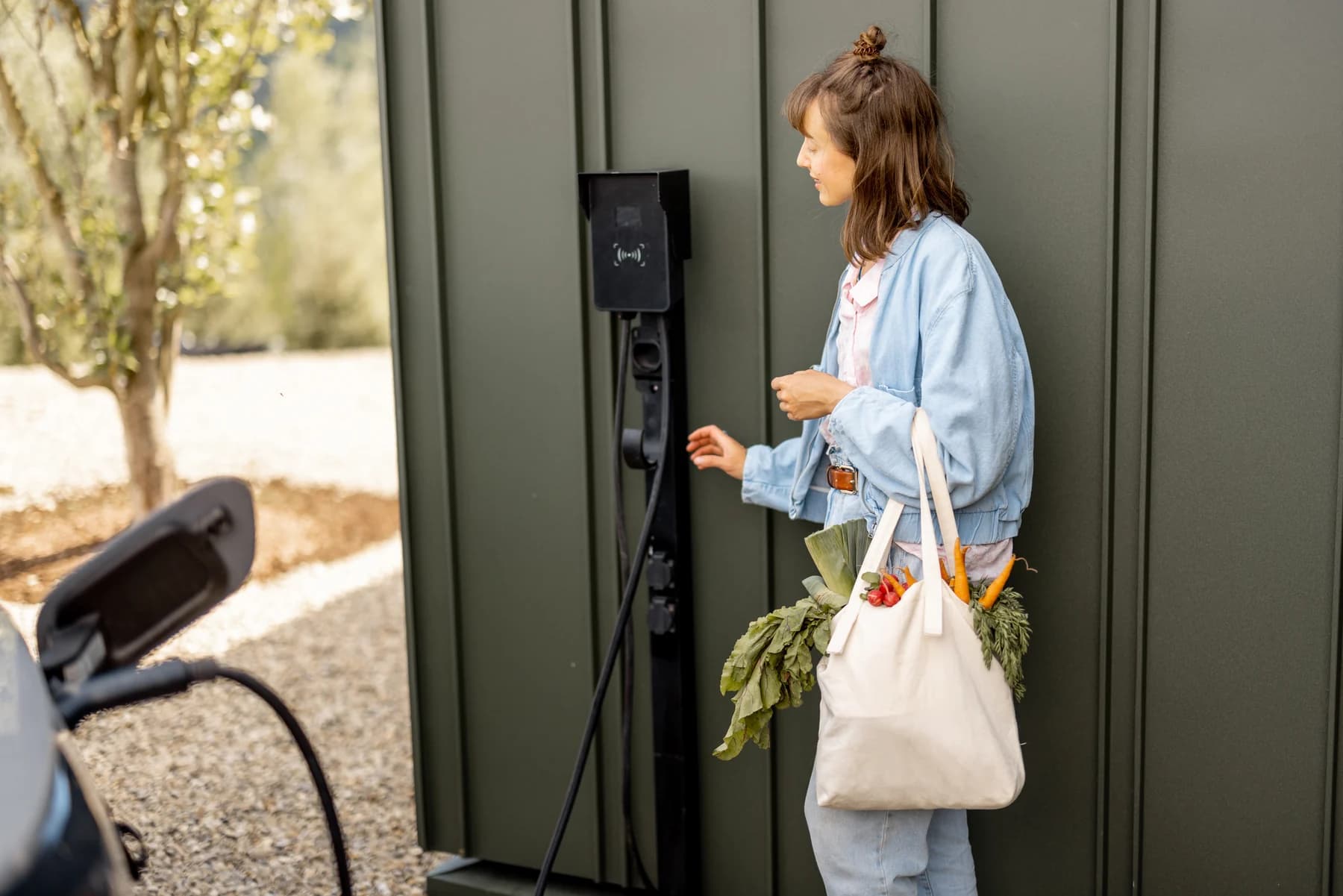
Finally, say where the charger will go. A charger installed outside, with no shelter, must be certified for outdoor use; the cable run, the wall penetration and the finishing are part of the work, not details.
- Dedicated circuit
- A circuit reserved for the charger, with its own breaker. It is not an ordinary outlet.
- Level 2
- Charging at 240 volts, the kind that happens at home in a few hours rather than a full night.
- Outdoor use
- A charger installed outside must be certified for outdoor use. That is not a comfort option.
References : Gouvernement du Québec ↗ · CMEQ ↗
What a charging-station quote should separate
| What to compare | What to clarify with the professional |
|---|---|
| Electrical installation | Dedicated circuit, breaker, cable run, panel upgrade if needed |
| Charger | Model, power, indoor or outdoor use, cost before taxes |
| Work | Penetration, mounting, finishing, permits and who obtains them |
| Paperwork | Proof of installation, detailed invoice, proof you own the vehicle |
Your preparation checklist
Frequently asked questions
- How much is the rebate, exactly?
- $600 toward acquiring the charger, provided its cost exceeds $600 before taxes and you own an electric vehicle at the time of the application. The rebate does not cover the electrical work. Gouvernement du Québec ↗
- Do I have to change my electrical panel?
- Possibly, and the assessment will say. Natural Resources Canada places assessing the home’s electrical capacity among the steps to take before installation. Ask for the conclusion in writing, with the cost if an upgrade is needed. CMEQ ↗
- What about a condo or an apartment?
- The question becomes one of authorization and connection: who authorizes work in common areas, where the electricity comes from, and who pays for the consumption. Settle those three points before shopping for a charger.
- Which charger is best?
- The better question is: which charger your panel can feed, and where it will be installed. A charger too powerful for the existing installation turns a simple project into an electrical upgrade.
Sources and references.
- CMEQ : Comment choisir un entrepreneur électricien ↗Quebec
- Gouvernement du Québec : Aide financière pour une borne de recharge à domicile ↗Quebec
- Régie du bâtiment du Québec : Vérifier la licence d’un entrepreneur ↗Quebec
Conditions and rules may change; consult the relevant organizations for your project. The questions, tables and examples are preparation tools provided by Projet Maison 360. Source titles and links are in French.