
Key points.
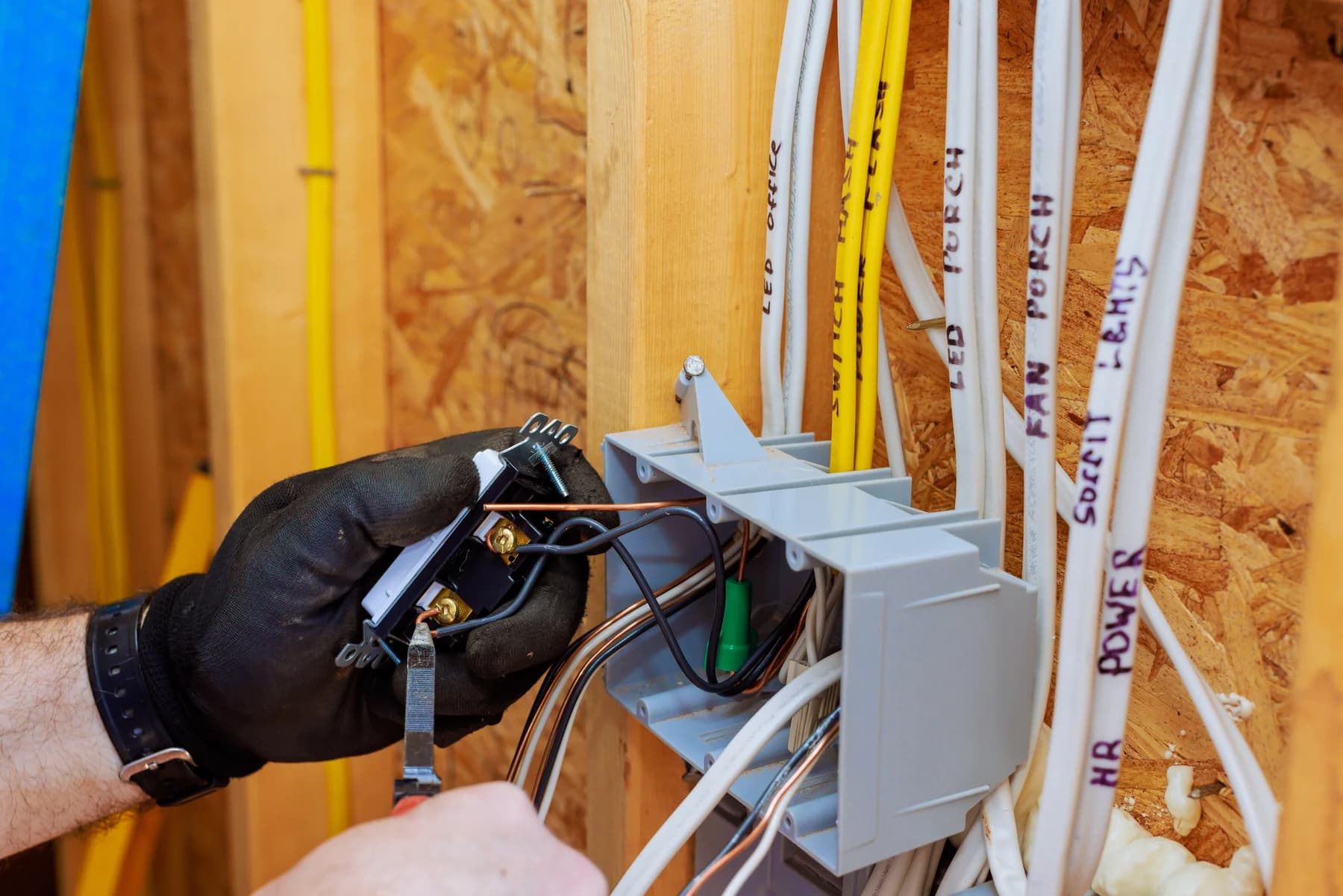
Electrical work must always be done by a contractor holding the appropriate licence.
Describe the use you want improved, not the solution: proposing it is the contractor’s job.
Before starting: tell your insurer and check your municipality’s permit requirements.
Describe the intended use before prescribing a solution
Say what you want to be able to do, not how many outlets you think you need. “I want to plug a charger in the garage”, “I want light over the island”, “the breaker trips when the kettle and the toaster run together”: those are requests a contractor can price.
Also say what is coming in the next few months. A spa, a charging station, an air conditioner or a workshop change the capacity calculation, and planning ahead is far cheaper than starting over.
The use
What you want to be able to do in the room, and at what time of day.
The equipment
What will be plugged in: brand, model, rating if you have it.
What is coming
Spa, charger, air conditioner, workshop. Capacity is planned once.
Check the company that will do the work
On this point there is no grey zone. The Régie du bâtiment du Québec is explicit about electrical, gas and petroleum equipment installations: they must always be performed by a contractor holding the appropriate licence. No exception is provided for minor work or for simply replacing an appliance.
The Corporation des maîtres électriciens du Québec sets out the steps for choosing an electrical contractor. The Office de la protection du consommateur adds a check few people make: proof of civil liability insurance.
References : CMEQ ↗ · Régie du bâtiment du Québec ↗
Clarify the limits of the work
Have the mandate described before it starts. The Office de la protection du consommateur names what a written estimate must contain, and the list holds for electrical work as for anything else: a description of the work and materials, the total price itemized, the payment terms, the start and end dates.
Add the limits of the mandate: what is included, what is not, and what happens if a problem turns up behind a wall. A clause requiring written authorization for any additional work settles most disputes before they exist.
References : CMEQ ↗ · Office de la protection du consommateur ↗ · Office de la protection du consommateur ↗
Organize the visit and completion of the work
Two steps happen before the first screwdriver comes out, and the Régie du bâtiment flags both: tell your insurer, and check your municipality’s permit requirements. They cost nothing and they protect everything.
At the end, ask for the detailed invoice and the installation documents. An invoice that says only “electrical work” is worth nothing on the day of a claim or a resale.
- Before
Tell the insurer, check the municipal permits, confirm the licence.
- At the start
Written estimate signed, dates confirmed, access and schedule settled.
- During
No additional work without your written authorization.
- At the end
Detailed invoice, warranties, and the installation documents.
References : Régie du bâtiment du Québec ↗ · Office de la protection du consommateur ↗
Four elements of a clear request
| What to compare | What to clarify with the professional |
|---|---|
| Use | What you want to be able to do, room by room |
| Equipment | What will be plugged in, its rating, and what comes later |
| Job site | Access, schedule, municipal permit, insurer informed |
| Agreement | Written estimate, written authorization for additions, dates |
Your preparation checklist
Frequently asked questions
- Can I do my own electrical work?
- No. The Régie du bâtiment du Québec states that electrical, gas and petroleum equipment installations must always be performed by a contractor holding the appropriate licence. No exception is provided for minor work. Régie du bâtiment du Québec ↗
- What work can I do myself, then?
- In a single-family home you live in, the Régie allows you to carry out construction and renovation yourself, excluding electrical, gas and petroleum equipment. In a condo’s private portion or a unit offered for rent, it is limited to the work listed in schedule III and to repairs under $20,000. Régie du bâtiment du Québec ↗
- Do I need a municipal permit?
- It depends on the municipality and the type of work, and it is to be checked before starting. The Régie explicitly recommends checking your municipality’s permit requirements. Régie du bâtiment du Québec ↗
- Should I tell my insurer?
- Yes, and the Régie says so plainly: call your insurer to inform them before beginning the work. It takes five minutes and it sometimes decides everything else. Régie du bâtiment du Québec ↗
Sources and references.
Conditions and rules may change; consult the relevant organizations for your project. The questions, tables and examples are preparation tools provided by Projet Maison 360. Source titles and links are in French.